
Polyjacking vs Mudjacking: Which Concrete Lifting Method Lasts Longer?
Polyjacking vs Mudjacking for Concrete Lifting
Settled concrete can create uneven walkways, driveways, patios, and pool decks, but lifting often saves a sound slab from replacement. When comparing polyjacking vs mudjacking in Georgia, LiftItRite helps property owners select a method that fits their repair goals. Both concrete lifting methods raise sunken slabs, yet they use very different materials. Those differences affect drill-hole size, weight, cure time, and long-term support.
Understanding Concrete Settlement
Concrete settles when the soil beneath it no longer provides even support. Water movement, poor drainage, soil shrinkage, erosion, and construction activity can create gaps below a slab. The concrete then lowers into those open spaces. Settlement can affect one corner, an entire section, or several connected slabs. A proper inspection looks at the concrete, the surrounding ground, the drainage path, and the nearby structures before recommending a solution.
What Is Mudjacking?
Mudjacking concrete repair uses a cement-based slurry to lift settled concrete. A crew drills access holes through the slab, then pumps a mixture that may include water, soil, sand, and cement into the space below. The pressure raises the concrete toward its intended position. Mudjacking’s heavier material can add substantial weight beneath a slab. This matters when the supporting soil has already shifted.
What Is Polyjacking?
Polyjacking uses expanding polyurethane foam lifting material to raise and stabilize settled concrete. Small holes provide access beneath the slab, and the crew injects foam into controlled stages. The foam expands into open spaces, supports the slab, and helps return it to the planned height. Poly-foam is lightweight, which helps limit added stress on the soil. It also cures quickly, allowing the concrete to return to use soon after the repair.
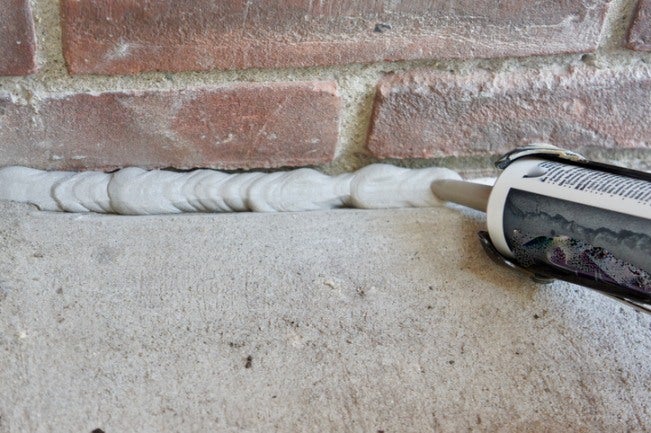
Comparing Polyjacking and Mudjacking
Both methods can lift concrete, but the materials and installation process shape the final experience. Looking at the details makes it easier to compare polyjacking vs mudjacking for a specific property:
- Material Weight – Mudjacking uses a heavy cement-based slurry. Polyurethane foam adds far less weight below the slab.
- Drill Holes – Mudjacking usually requires larger access holes. Polyjacking uses smaller injection points that crews finish after lifting.
- Cure Time – Mudjacking material needs time to set. Poly-foam cures within minutes and supports quicker use of the surface.
- Water Resistance – Polyurethane foam resists moisture after curing. Drainage still plays an important role in protecting the soil around any slab.
Which Concrete Lifting Method Lasts Longer?
Polyjacking often provides the longer-lasting concrete lifting option because cured polyurethane foam is lightweight, moisture-resistant, and durable. The material can support concrete for decades when the slab, soil, and drainage conditions suit the repair. Mudjacking can also raise concrete successfully, though its heavier slurry may place additional load on weak soil.
Choosing the Right Concrete Leveling Solution
The best concrete leveling solution depends on the slab’s condition, the extent of settlement, and the surrounding environment. A site evaluation helps determine which solution is needed:
- Stable Concrete – Sound slabs with settlement can often be lifted instead of replaced. This preserves usable concrete and limits project disruption.
- Soil Conditions – Loose, wet, or shifting soil deserves careful review. Lightweight foam can suit areas where added material weight is a concern.
- Access Needs – Tight spaces and active areas may benefit from a non-invasive process. Small injection holes help keep the work area tidy.
- Drainage Goals – Concrete may need a gentle adjustment to improve water flow. Controlled lifting can help restore a more useful slope.
Benefits of Repairing Instead of Replacing Concrete
Repairing settled concrete can provide a practical path forward when the slab remains in good condition. It avoids the larger scope of demolition and new concrete placement, as well as other advantages:
- Lower Material Use – Lifting keeps existing concrete in place. This reduces the need for new concrete and the disposal of the old slab.
- Less Disruption – Crews can complete many lifting projects with limited impact on the surrounding area. Access stays easier to manage during the project.
- Fast Results – Poly-foam cures in minutes after injection. The repaired surface is often ready to use within about 15 minutes.
- Budget-Friendly Value – Repairing sound concrete can cost less than replacement. The approach focuses on restoring support beneath the slab.
Get the Right Concrete Repair Plan
LiftItRite is a family-owned, owner-operated company serving North Georgia from Gainesville and Loganville. Our team has more than 50 years of combined experience and real construction-site knowledge for every project. We enjoy solving concrete problems, and we take pride in clear communication and careful work. Contact LiftItRite today for a professional evaluation and a concrete lifting plan that fits your property.
Frequently Asked Questions
How Soon Can I Use Concrete After Polyjacking?
Polyjacking offers a quick return to use because polyurethane foam cures within minutes. Most lifted concrete surfaces are ready for normal foot traffic in about 15 minutes. This makes the process a strong choice for walkways, patios, driveways, and other active areas.
Can Polyjacking Help Improve Concrete Drainage?
Controlled polyjacking can raise settled concrete and restore a more useful slope for water flow. The goal is to support the slab while guiding water away from structures, entrances, pool decks, and other key areas. Good drainage also helps protect the soil beneath concrete over time.
Does Mudjacking Add Weight to Weak Soil?
Mudjacking pumps a cement-based slurry beneath the concrete, which adds weight to the soil beneath the slab. This may matter when the original settlement was built on weak, loose, or shifting soil. A professional evaluation considers soil conditions before recommending a lifting method. Polyurethane foam provides a lightweight alternative for many sunken concrete repair projects.
Can Mudjacking Be Used Around Pool Decks?
Mudjacking can be used around some pool decks, though the site deserves careful review beforehand. The slab condition, access, drainage, nearby pool features, and soil support all affect the best repair method. Polyjacking may suit many pool areas because it uses lightweight foam and small injection holes.
Does Polyurethane Foam Wash Away Over Time?
Cured polyurethane foam resists water and provides durable support beneath concrete. It does not absorb moisture like soil, which helps it maintain its form below a slab. Proper drainage remains important because water can still affect the surrounding ground. With the right site conditions and installation, poly-foam can support concrete for many years.