
What Causes Concrete Floors to Crack? Common Signs Homeowners Shouldn’t Ignore
What Causes Concrete Floor Cracks?
Concrete floor cracks can appear in garages, basements, patios, workshops, and commercial spaces as the slab responds to changing conditions below and around it. LiftItRite evaluates concrete floor cracks across Georgia to help property owners understand what the slab is communicating. Some cracks remain small and stable, while others point to soil movement or lost support. A professional review helps identify the cause and set up a practical repair plan.
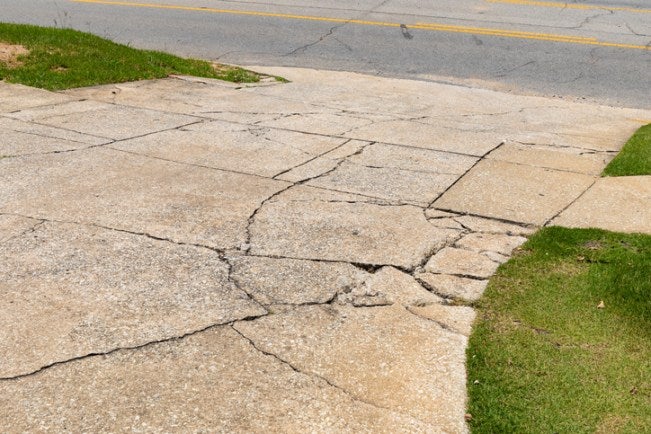
Why Is My Concrete Floor Cracking?
Concrete is strong under pressure, but it can respond to movement beneath the slab. Soil settlement, moisture changes, and shifting ground can leave open spaces below concrete. The slab may flex as it loses even support, leading to visible cracking. Temperature changes and normal curing can also create smaller surface cracks, so an inspection of your foundation may be critical if unattended.
Types of Concrete Floor Cracks Homeowners May Notice
Cracks can look different based on their location, direction, and size. Each pattern offers useful clues about the condition of the concrete and the support below it:
- Hairline Cracks – Thin surface lines often develop as concrete cures. They can remain stable when the slab has firm support.
- Straight Cracks – A clean line may follow a control joint or form across a slab. Its width and movement help guide the repair approach.
- Diagonal Cracks – Angled cracks can appear when one part of a slab moves differently from another. A site review can identify the cause.
- Wide Cracks – A larger opening may show that the concrete has shifted. Stabilizing the slab helps protect the surrounding surface.
- Offset Cracks – One side of the crack may sit higher than the other. This pattern often calls for an evaluation of support below the floor.
When Should I Worry About Floor Cracks?
A crack deserves closer attention when it changes overtime or appears with other signs of slab movement. A quick inspection can help protect the floor and finish nearby if you notice these signs:
- Growing Width – A crack that becomes wider may show ongoing soil movement. Measuring it over time provides helpful information for a professional.
- Uneven Surfaces – A raised or settled section can affect the way a floor feels underfoot. Leveling may restore a smoother, more stable surface.
- Water Collection – Water that gathers in a low area can point to a changed floor slope. Proper support can help improve drainage across the slab.
- Sticking Doors – Doors or nearby openings that change position can occur alongside slab movement. An inspection helps connect the signs.
- New Finish Damage – Tile, flooring, baseboards, or wall finishes may show changes or signs of damage if near a cracked slab.
Concrete Floor Crack Repair Options
Concrete floor crack repair depends on the condition of the slab and the reason for the cracking. Small, stable cracks may benefit from sealing or filling. A settled slab with voids below it may benefit from poly-foam lifting. LiftItRite injects foam through small access holes, allowing it to expand below the concrete and restore support. This approach can raise the slab without removing sound concrete or pouring a completely new floor.
Preventing Future Concrete Floor Cracks
Good site care supports the soil and concrete over the long term. These practical steps help keep water, soil movement, and slab stress under better control:
- Manage Drainage – Keep gutters, downspouts, and surface drainage directing water away from concrete. Consistent water flow supports overall soil stabilization.
- Maintain Grading – Grade soil so it slopes away from the structure. This helps limit moisture changes near the slab edge.
- Address Low Areas – Watch for soft soil or settled ground beside concrete. Filling and grading these areas helps maintain nearby support.
- Seal Small Openings – Sealing minor cracks can keep debris and moisture from entering the slab. Early care keeps the surface easier to maintain.
- Schedule Inspections – A professional review can identify settlement before it affects a larger area. Regular attention supports long-term concrete performance.
Get Answers About Your Concrete Floor Today
LiftItRite is a family-owned, owner-operated company with offices in Gainesville and Loganville, Georgia. Our team brings over 50 years of combined experience and a strong construction background to every job. We enjoy finding practical solutions and doing the work with care. Contact LiftItRite today to schedule a concrete floor evaluation and get a clear plan for your repair.
Frequently Asked Questions
How Long Does Floor Crack Repair Take?
Floor crack repair timelines depend on the size of the area, crack pattern, access, and recommended repair method. Small crack sealing projects may move quickly, while lifting a settled slab requires careful setup and monitoring. LiftItRite reviews the floor before work begins and explains the expected schedule. This gives you a clear picture of the process before the crew arrives.
Can Poly-Foam Lift a Cracked Concrete Floor?
Poly-foam can lift a cracked concrete floor when settlement or voids beneath the slab cause the movement. LiftItRite uses a non-invasive process with small drill holes to inject expanding foam below the concrete. The material raises and stabilizes the slab with controlled pressure. It cures quickly, and the floor is usually ready for normal use within about 15 minutes.
Do Floor Cracks Affect New Flooring Projects?
Concrete movement and cracks should be reviewed before installing tile, vinyl, hardwood, epoxy, or other floor finishes. A stable, level slab provides a stronger base for the new material. If the concrete has settled, lifting and supporting it first can help the project move forward with confidence. A professional evaluation identifies whether the floor needs crack repair, leveling, or both.
Is Polyurethane Foam Safe for the Environment?
Polyurethane foam offers a long-lasting way to support settled concrete without removing and hauling away the existing slab. LiftItRite uses a non-harmful product that can be used in federal fish and wildlife areas. The material can last 50 to 100 years, which reduces the need for material-intensive repairs over time.
Does LiftItRite Offer a Repair Warranty?
We provide a five-year warranty for qualifying poly-foam concrete lifting work and materials. The warranty reflects confidence in the product and the care used during each repair. Our role as a two-family, owner-operated business means your satisfaction matters that much more to us. You will know who is handling the work and have a dependable contact for questions after the job is complete.