
Why Sidewalks Become Uneven and When Leveling Is Better Than Replacement
How Do You Fix a Sunken Sidewalk?
A sunken sidewalk can change the look and function of an otherwise well-kept property. So how do you fix a sunken sidewalk? The answer often starts below the slab. For uneven sidewalk leveling in Georgia, LiftItRite uses expanding poly-foam to raise settled concrete and restore steady support. The process preserves sound slabs, minimizes disruption, and quickly gets your home’s walkway ready for use.
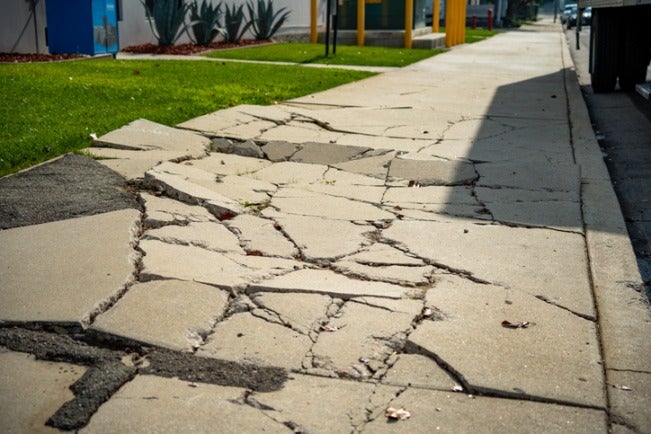
Common Reasons Sidewalks Become Uneven
Sidewalk slabs need firm, even support to stay in place. These common conditions explain why your sidewalk is uneven and helps to determine the right repairs:
- Soil Settlement – Loose soil can shift or compress beneath the slab. The concrete settles as open space develops below it, and soil stabilization may be required.
- Water Flow – Rainwater and poor drainage can carry soil away from under a walkway. Steady drainage helps preserve slab support.
- Tree Roots – Roots can grow beneath concrete and raise part of a sidewalk. This movement can create an uneven joint between slabs.
- Clay Movement – Georgia clay expands when wet and contracts during dry weather. Those changes can affect the ground beneath the concrete.
- Site Changes – Nearby construction, grading, or utility work can change soil compaction. A slab may need support after these conditions change.
Signs Your Sidewalk Needs Attention
A quick look at the surface can reveal when a sidewalk needs service. Catching these signs early helps maintain a smooth path for your property:
- Raised Edges – One slab may sit higher than the next. Leveling can bring the surfaces back into alignment.
- Low Sections – A settled area can hold water after a storm. Lifting the slab can improve the slope and help water move away.
- Joint Gaps – Open spaces near steps, curbs, or adjoining concrete can show movement beneath the slab. A site review identifies the cause.
- Small Cracks – Minor cracks may appear as the concrete changes position. Stable support can help preserve the slab’s current condition.
- Changed Slope – A walkway may begin directing water toward an entry, pool deck, or structure. Concrete sidewalk leveling can restore a more useful grade.
Understanding Sidewalk Leveling
Concrete sidewalk leveling raises the settled sidewalk slab without removing it. LiftItRite drills small access holes and injects polyurethane foam beneath the surface. The foam expands to fill voids, lifting the concrete and providing lasting support. This method avoids a major demolition project and the cost of pouring new concrete. It also keeps the work area clean, efficient, and easy to use, soon after the job is complete.
How Do You Fix a Sunken Sidewalk?
The process begins with a close review of the concrete, soil conditions, drainage, and desired height. Small drill holes create access beneath the slab. We inject poly-foam with controlled pressure, then watch the concrete rise into position. The material fills empty spaces below the sidewalk while adding support. After the lift, the crew finishes the access holes and checks the surface for a clean, even result.
When Should a Sidewalk Be Replaced?
Leveling serves many settled sidewalks, though some slabs benefit more from replacement. The condition of the concrete and the property’s future plans help guide that decision, including:
- Major Breaks – Concrete with large breaks across the slab may need a fresh section. New concrete creates a consistent surface for the area.
- Heavy Surface Wear – Widespread wear can show that a slab has reached the end of its service life. Sidewalk replacement provides a clean new walking surface for the long term.
- Separated Pieces – Several large cracks may divide concrete into separate sections. A new pour can provide stronger continuity.
- Layout Updates – A wider walkway or redesigned access route may require new concrete. Replacement allows the slab to match the updated plan.
- Limited Sound Concrete – Some slabs do not have enough stable material for lifting. A professional review will help guide you on when to replace a sidewalk.
Get Your Sidewalk Back on Level Ground Today
LiftItRite is a family-owned, owner-operated company with offices in Gainesville and Loganville, Georgia. Our team brings more than 50 years of combined industry and construction experience to each project. We enjoy solving concrete problems, and we take pride in doing the work right the first time. Contact LiftItRite today to schedule your sidewalk evaluation.
Frequently Asked Questions
How Long Does Concrete Leveling Take?
Many sidewalk leveling projects take only a few hours. The exact timeline depends on the slab size, amount of settlement, access to the work area, and site conditions. A small residential section may move quickly, while a longer walkway may require more setup and monitoring. LiftItRite reviews the project before work begins, so you know what to expect from the start.
Can You Walk on Leveled Concrete Right Away?
Poly-foam cures within minutes, so most leveled sidewalks are ready for normal foot traffic in about 15 minutes. The process remains non-invasive because it uses small injection holes instead of removing large sections of concrete. That quick return to use keeps daily routines moving and helps limit disruption around entrances, walkways, and other active areas of the property.
Are Drill Holes Visible After Sidewalk Leveling?
Sidewalk leveling requires small drill holes to reach the space beneath the concrete. Once the slab reaches the planned height, the crew fills and finishes each access point to blend with the surrounding surface. These holes are much smaller than those used in many traditional lifting methods. The result preserves the existing slab while keeping the finished work area neat and professional.
Is Polyurethane Foam Safe for the Environment?
Polyurethane foam provides durable support beneath settled concrete without the need to remove and haul away the existing slab. LiftItRite uses a non-harmful product suitable for use in federal fish and wildlife areas. The material can last 50 to 100 years, which supports long-term concrete repairs. A project review helps confirm that poly-foam leveling fits the site and its conditions.
Does LiftItRite Offer a Leveling Warranty?
LiftItRite backs its poly-foam concrete lifting work and product with a five-year warranty. That coverage reflects the quality of the material and the care that goes into each job. As a two-family, owner-operated business, we provide direct communication throughout the project. You will know who is handling the work and have a dependable team ready to answer questions.