
How to Protect Your Home from Sinkhole Damage
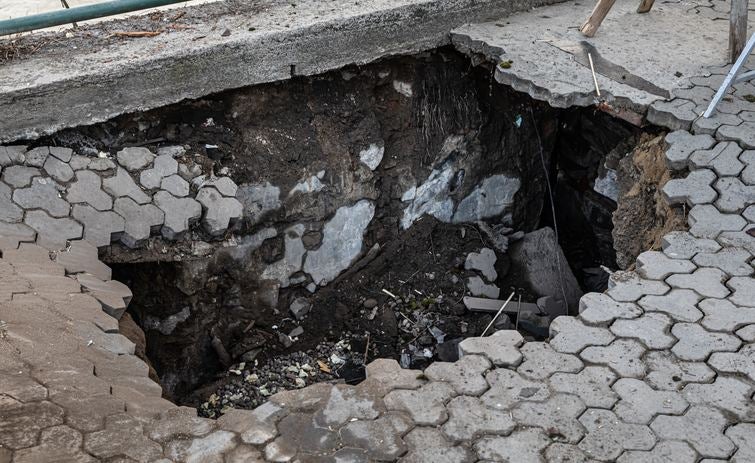
Sinkholes sound dramatic, but they don’t always start out that way. This depression, or hole in the ground, starts to give way when it can no longer support the weight above it. That’s when you might notice cracked or sinking concrete, and in more severe cases, a sudden collapse.
What Causes Sinkholes Near Homes?
Sinkholes form when soil and rock beneath your property shift or wash away. Water erosion below the surface is the most common cause of this. Slightly acidic rainwater, poor site drainage, or broken water pipes can slowly dissolve rock and carry soil away. As the material disappears, underground voids form that cause hidden instability.
Certain soil types are more prone to erosion than others. If your property sits on limestone or other soluble bedrock, water can gradually dissolve it over time. You won’t know it’s happening until the surface starts to sink.
Soil preparation during construction is another factor. If the soil wasn’t properly compacted before laying the foundation, it may settle unevenly later. Add in periods of heavy rain followed by dry spells, and you get a cycle of expansion and contraction that weakens the ground. This repeated movement makes the soil more likely to give way.
How to Protect Your Home from Sinkhole Damage
You don’t have control over every underground condition, but you can manage the water and soil around your property to reduce the chance of sinkholes. Try these practical steps:
- Improve drainage: Make sure gutters and downspouts direct water away from your home. Standing water near the foundation or slab increases the risk of erosion below the surface.
- Repair leaky pipes: Underground leaks can go unnoticed as they slowly wash away soil. Regular inspections catch small issues early so you can act promptly.
- Maintain consistent soil moisture levels: Extreme swings between wet and dry conditions can weaken the ground. During dry periods, controlled watering around your property prevents the soil from shrinking excessively.
- Regrade the soil: The ground around your home should slope away from the structure so water doesn’t pool near the base.
Warning Signs of Sinkhole Damage
Astonishing photos of huge sinkholes that collapse out of nowhere make headlines, but most sinkholes give off warning signs before they get serious. Here’s what to look for:
- New cracks forming in your driveway, patio, or interior floors
- Sticking doors and windows
- Uneven or sunken concrete slabs, including sidewalks, driveways, and patios
- Depressions, soft spots, or areas in your yard where water collects for no clear reason
What to Do If You Suspect Sinkhole Activity
As soon as you see signs of uneven concrete settling on your property, follow these steps:
- Limit traffic over the affected area. Extra weight can make unstable ground worse.
- Document what you see. Take photos of cracks, depressions, or shifting concrete to create a clear record of changes over time.
- Call Lift It Rite, LLC to take a look. A professional evaluation determines whether you’re dealing with a small void, general settlement, or something more serious.
How to Repair a Sinkhole
If you think a sinkhole may be forming, don’t ignore it. Waiting gives the problem more time to grow into something that requires large-scale sinkhole remediation. Act quickly to increase the chance of fixing the problem before it escalates.
Modern sinkhole repair methods overlap with what Lift It Rite, LLC does best. For smaller voids and early-stage instability, soil stabilization and void filling services prevent the problem from getting worse. This is done using polyurethane foam injection, a two-component product that expands beneath the concrete to fill gaps and strengthen the soil.
This approach doesn’t involve major excavation. Instead, small drill holes allow the material to be precisely placed beneath the slab. As it expands up to 15 times its original volume, it lifts and stabilizes the settled concrete. The foam cures quickly, so surfaces are ready for use in minutes. It also lasts for decades and is compatible with environmentally sensitive areas.
Post-Repair Inspection Checklist
Once repairs are complete, take a few minutes to run through this simple checklist:
- Walk on the repaired area as soon as it’s ready to confirm that the concrete feels even and stable underfoot.
- Make sure water is flowing away from the repaired area.
- Monitor nearby concrete and soil for signs of movement.
- Use the surface as you normally would. Walk, drive, or place heavy items on it, and make sure it continues to perform as expected.
- Schedule a follow-up if anything feels off or changes over time.
Protect Your Property from Sinkholes
Stay aware of what’s happening around your property, and sinkholes are much less likely to catch you off guard. If you’re dealing with soil instability or cracked concrete in North Georgia. LiftitRite LLC has the experience to address it. With over 25 years of hands-on work and two convenient office locations in Loganville and Gainesville, our team knows what to look for and how to fix it. Contact us today to request a free estimate.
FAQs About Sinkhole Damage and Repair
What’s the difference between a sinkhole and normal settling?
Normal settling happens gradually as soil compacts. On the other hand, sinkholes form when soil erosion creates voids beneath the surface. Left unaddressed, these open spaces can cause uneven sinking or sudden collapse.
Can small voids turn into full-fledged sinkholes?
Yes, water movement and soil erosion may continue to enlarge the space if the underlying cause isn’t addressed, increasing the risk of severe ground instability.
Are emergency sinkhole repair services always necessary?
Emergency services are reserved for active collapses or severe structural risks. In many cases, early-stage instability can be addressed through void filling services.
How long do soil stabilization repairs last?
Modern polyurethane foam lasts 50 to 100 years. When installed correctly, the repair provides long-term support for both the concrete surface and the surrounding soil.
Can void filling prevent future sinkholes?
Void filling targets weak soil and empty spaces below the surface. While it won’t prevent every geological issue, it strengthens the ground and lowers the risk of future erosion and collapse.