
Concrete Seawall Repair vs. Replacement: Which Option Is Right for You?
Concrete Seawall Repair vs. Replacement
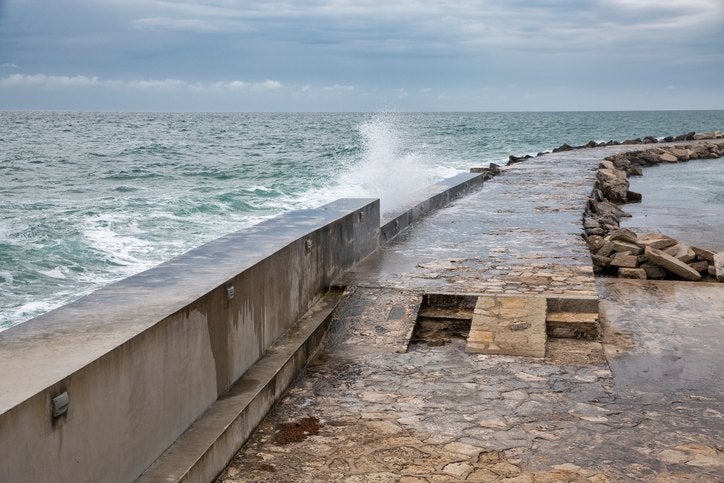
Concrete seawalls protect waterfront properties from wave action, flooding, and shoreline erosion. You’ll find them around lakes, rivers, canals, marinas, and coastal properties where water constantly pushes against the shoreline.
If you own a home, manage a commercial property, or oversee a construction project on the water, a damaged seawall puts the land behind it at risk. That’s why it’s important to understand when to pursue seawall repair solutions and when seawall concrete replacement might make more sense.
Common Problems Affecting Concrete Seawalls
Seawalls take a beating year after year. Water pressure, soil movement, variable weather conditions, and aging materials cause the structure to gradually wear down. Some issues remain purely cosmetic, but most need attention to avoid structural damage.
Here are some of the most common problems property owners face:
- Cracks and surface damage: Even small cracks allow water to enter. Once moisture gets inside, the damage spreads and weakens the concrete.
- Erosion behind the wall: If you notice sinkholes, soft ground, or soil washing out, you may need to repair erosion behind the seawall before the damage spreads.
- Leaning or bowing walls: A seawall should sit straight and stable. When sections begin leaning toward the water or bowing outward, that means pressure is building up or the foundation is unstable.
- Joint separation: Seawall panels should fit tightly together. When joints separate, water and soil move freely through the gaps, causing erosion and weakening the structure.
- Corrosion: Many older concrete seawalls contain rebar. Once saltwater reaches the steel, corrosion expands and cracks the concrete from within.
- Drainage failure: Proper drainage relieves pressure behind the seawall. Blocked or damaged drains trap water, which increases hydrostatic pressure and may shift or crack the concrete.
Advantages of Concrete Seawall Repair
Not every damaged seawall needs to be replaced. If the seawall still has a stable foundation and most of the concrete remains in good condition, seawall erosion repair should be enough to restore stability and prolong the structure’s lifespan.
Here’s why seawall repair solutions are worth considering first:
- Lower upfront cost: Repairs are typically more affordable than replacements. This allows property owners to save money while still protecting the shoreline.
- Less disruption to landscaping and structures: A replacement often requires excavation and heavy construction equipment, while most repair methods keep the surrounding property intact.
- Faster completion: Repair projects usually move more quickly than new seawall construction.
- Effective erosion control: Modern seawall repair solutions help to stabilize the soil, seal joints, and reinforce weak sections. This addresses erosion behind the seawall and prevents future washout.
- Flexible repair options: Contractors can draw from several methods, depending on what needs fixing. Crack sealing, tieback anchors, panel reinforcement, grout injection, and void filling all address different seawall problems.
Benefits of Seawall Replacement
Repairs aren’t always the answer. If the seawall has major structural failure, severe erosion, or widespread deterioration, replacement may provide better long-term value.
Consider these benefits of replacing a severely damaged seawall:
- Long-term structural stability: New seawall construction gives property owners a clean slate using updated materials, drainage systems, and reinforcement that meet current engineering standards.
- Better protection against erosion: Older seawalls often lack modern erosion control features. Replacement projects improve shoreline stabilization and reduce future soil loss behind the wall.
- Lower maintenance costs: Repeated patchwork repairs add up. Replacing the seawall reduces ongoing maintenance expenses and offsets emergency repairs.
- Opportunity for design improvements: Replacement projects allow property owners to upgrade construction materials, wall height, drainage systems, or shoreline layout.
- Improved safety: Failing seawalls create hazards for nearby docks, walkways, and structures. Full replacement restores confidence that the shoreline is properly protected.
Repair vs. Replacement: Finalizing Your Decision
The right choice depends largely on the age of the seawall and the extent of the damage.
Repair is often the better option when:
- The damage is limited in size and scope.
- The seawall is relatively new and remains structurally stable.
- Soil loss behind the wall is still manageable.
- You want a faster, more budget-friendly solution.
Replacement often makes more sense when:
- Large sections are leaning, bowing, or collapsing.
- Severe seawall erosion has occurred.
- Corroded rebar is widespread.
- The foundation has failed.
- You plan to increase the seawall’s size or change its placement.
Protect Your Waterfront Property with Our Help
A damaged seawall threatens your property and landscaping, so you should never ignore it. If you’re still unsure whether seawall erosion repair or replacement is best, consider starting with a professional inspection from LiftItRite.
We have over 25 years of construction experience, serving homeowners, property managers, and contractors throughout North Georgia. Our team takes pride in delivering reliable solutions built to last so you can enjoy your property for years to come. Contact us today to request a free estimate in Loganville, Gainesville, or the surrounding areas. We’re happy to discuss seawall repair and replacement solutions for your property.
FAQs About Seawall Repair & Replacement
How long does a concrete seawall last?
A properly installed concrete seawall may last several decades. Its lifespan depends on water conditions, soil movement, drainage, and maintenance. Regular inspections and timely repairs reduce the risk of premature structural failure.
What causes erosion behind a seawall?
Water moving through cracks or separated joints gradually washes soil out from behind the seawall. Poor or clogged drainage systems, heavy rainfall, wave action, and unstable soil conditions speed up this process.
Are permits required for seawall replacement?
Many seawall construction projects require permits because the work affects shorelines and waterways. Local and state regulations vary by location and property type.
How do contractors inspect seawall damage?
Contractors look for cracks, leaning sections, soil loss, drainage issues, and foundation movement. In some cases, underwater evaluations or soil assessments may be necessary to fully comprehend the wall’s condition.
What happens if seawall damage goes unnoticed?
Ignoring seawall damage often leads to worsening erosion, soil loss, and structural failure. Small cracks and drainage issues may cause sections to lean or collapse. Without proper protection, sinkholes may form, and nearby foundations, docks, and properties may suffer damage.