
What Is Concrete Foundation Underpinning?
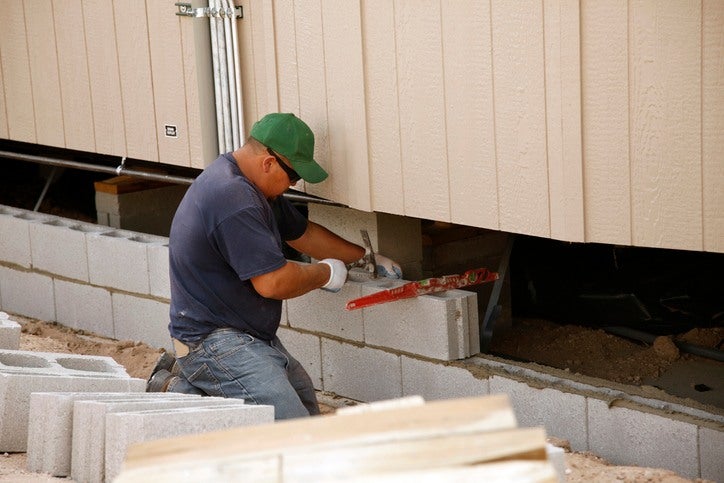
Every structure relies on its foundation to remain stable and secure. When that foundation shifts, settles, or weakens, you see the effects throughout the entire building. Concrete foundation underpinning reinforces and stabilizes the existing foundation without starting from scratch.
When Is Foundation Underpinning Needed?
Foundation issues develop gradually due to changes in soil conditions, moisture levels, or structural loads. You might need foundation repair underpinning if:
- Your structure has settled unevenly.
- The soil beneath your foundation has weakened.
- You’re planning to add more weight to the building.
- Your older building was constructed with a foundation that no longer meets modern standards.
So, what causes these problems in the first place?
Soil movement is a major culprit. Many types of soil swell when wet and shrink when dry, which creates constant movement under your foundation. Poor drainage worsens the problem by allowing water to collect near the base of the structure. This softens the soil, reducing its load-bearing capacity and causing the foundation to sink. In dry conditions, the soil loses moisture and shrinks, which can leave gaps beneath the foundation.
In some cases, construction errors or inadequate site preparation can lead to foundation issues years later. Tree roots can also shift the soil as they grow. No matter the cause, the result is the same: your foundation loses stability and needs reinforcement.
Signs You Need Foundation Underpinning
Foundation problems don’t remain hidden for long. What starts as small cosmetic changes around your property can turn into real structural issues if you do nothing about them. Here’s what to watch for:
- Cracked walls or floors: Hairline cracks aren’t concerning at first, but wide or growing cracks signal foundation movement that needs attention.
- Sticking doors and windows: Frames shift as the foundation settles, making them harder to open and close.
- Uneven or sloping floors: Floors that dip or feel off-balance often indicate uneven foundation settlement.
- Gaps around windows, doors, or exterior walls: These gaps tell you that parts of the building are pulling away from each other.
- Wet basement or crawl space: Moisture intrusion often goes hand in hand with foundation instability and poor soil grading.
How Underpinning Reinforces Your Foundation
If you notice warning signs of differential settlement, it’s time to consider expert foundation underpinning services before the damage spreads. Underpinning transfers the structure’s weight to deeper, more stable soil layers. The idea is to strengthen the existing foundation without replacing it entirely.
There are a few foundation underpinning methods. The right one depends on your specific situation.
Concrete Piers and Steel Supports
Traditional methods include installing concrete piers or steel supports beneath the foundation to provide added stability. These supports are hydraulically driven or screwed into the ground until they reach load-bearing soil or bedrock that can properly handle the building’s weight. Professional foundation underpinning services address the problem while minimizing disruption to your property.
Slab Lifting and Soil Stabilization
In some cases, full underpinning may not be necessary. If the issue involves a settled slab or voids beneath the concrete, slab lifting and soil stabilization work may be a better fit.
These repair methods use a two-component polyurethane foam that expands beneath the concrete slab, filling voids and lifting settled areas. The foam expands up to 15 times its original volume to create a dense, watertight support structure.
This process doesn’t require tearing out large sections of concrete. Instead, small drill holes allow the material to be injected right where it’s needed. The foam cures quickly and lasts for decades. It’s also more cost-effective than other repair methods and is environmentally safe.
Tips to Prevent Foundation Problems
You can’t prevent every foundation issue, but correctly managing the soil and drainage on your property reduces the risk. Here’s how to keep your foundation in good shape:
- Maintain proper drainage: Clean your gutters regularly and direct downspouts away from the foundation to prevent oversaturated soil.
- Water your foundation: Run soaker hoses during dry periods to prevent the soil around your foundation from shrinking too much.
- Inspect your property: Look for cracks or other signs of shifting, both inside and out, so you can address problems early.
- Plant trees at a safe distance: Roots shift the soil and draw moisture from the ground, which can trigger foundation movement. Keep big trees well away from your structure to avoid issues.
- Schedule professional inspections: Periodic evaluations from concrete foundation underpinning specialists reveal early signs of movement so you can act before it gets any worse.
Restore Concrete Stability Today
Lift It Rite, LLC has over 25 years of experience serving homeowners, property managers, and contractors across North Georgia. Our family-owned company focuses on clear communication, dependable work, and long-term results. We specialize in lifting and leveling concrete slabs using advanced polyurethane foam, rather than structural foundation underpinning. If you’re ready to stabilize your basement floor, patio, porch, or other slab, please contact us today for a free estimate in Loganville or Gainesville.
FAQs About Foundation Underpinning
How long does foundation underpinning take?
Most underpinning projects take anywhere from one to several days, depending on the size of the structure and the method used. Slab lifting with polyurethane foam is often much faster, with many projects completed in less than a day.
Is underpinning a permanent solution?
Yes, underpinning provides long-term stability when performed correctly. Concrete and steel support systems are considered lasting structural solutions. Similarly, geotechnical foam used for concrete leveling lasts 50 to 100 years, providing long-term support for slabs and the surrounding soil.
Will foundation repair underpinning disrupt my day?
Modern foundation underpinning methods are minimally invasive. Pier installation may involve some excavation, but the work moves quickly while you go about your daily routine largely uninterrupted. Foam injection is even less invasive, with only small drill holes required to lift and level the concrete.
Can underpinning increase property value?
It certainly can. Addressing structural concerns with professional foundation underpinning services, or fixing unlevel concrete with slab stabilization, makes your property more appealing to buyers and reduces inspection hiccups.
How do I know which underpinning method is right for me?
The best solution depends on soil conditions, foundation type, and the severity of the issue. A professional evaluation identifies whether deep underpinning or slab stabilization is the right fit for your property.