
Start the Year Right: A Home Foundation Maintenance Guide for Homeowners
At LiftItRite LLC, we believe the best way to start the year is by ensuring your home remains safe, stable, and secure. Foundation issues don’t pop up overnight, but catching them early can save you thousands of dollars and months of stress.
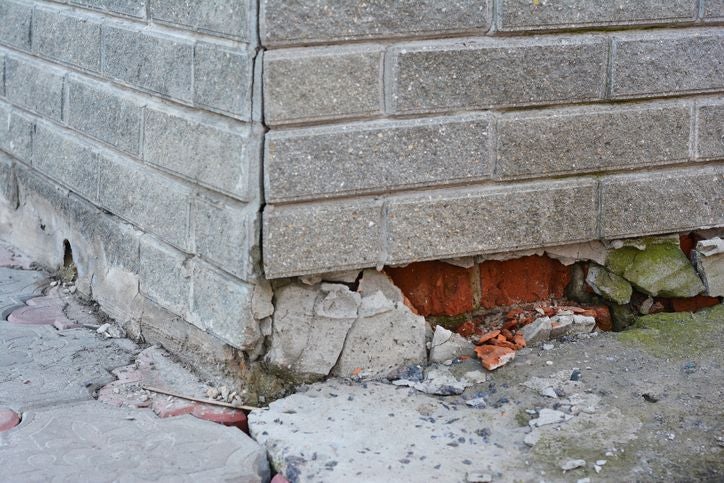
Why Start the Year with Foundation Maintenance?
Think of your foundation like your health. Preventative check-ups are always cheaper and less painful than emergency surgery. Prioritizing foundation maintenance at the start of the year sets a proactive tone for how you manage your property.
Winter and early spring are critical times for your home’s structure. The freeze-thaw cycles, combined with the heavy rains common in Georgia, put immense pressure on concrete slabs. By inspecting your foundation now, you catch the damage caused by winter weather before the heavy spring rains exacerbate the problem.
The Serious Consequences of Neglecting Structural Foundation Maintenance
Escalating Repair Costs
Small cracks are easy and budget-friendly to fix. Major structural shifts are not. What could be a simple polyurethane injection repair today might turn into a massive underpinning project if left for two or three years.
Damage to the Rest of the Home
When your foundation moves, everything sitting on top of it moves too. This stress manifests as:
- Cracked drywall and ceilings
- Windows that shatter or won’t open
- Doors that stick or swing open on their own
- Plumbing leaks due to shifted pipes
- Roof leaks caused by structural warping
Decreased Property Value
For our clients in real estate and property management, this is crucial. A home with a compromised foundation is difficult to sell and loses value rapidly. Protecting your investment requires vigilance.
Seasonal Home Maintenance: How Weather Impacts Your Foundation
Georgia weather can be unpredictable. We don’t have the deep freezes of the north, but we do have volatile moisture levels. Seasonal home maintenance requires understanding how the environment interacts with the soil under your home.
The Clay Soil Factor
In Loganville and Gainesville, we deal with a lot of red clay. Clay is expansive. It swells when wet and shrinks when dry. This constant movement is the enemy of stability.
- Winter/Spring: Heavy rains cause the clay to expand, pushing upward against your foundation (heave).
- Summer/Fall: High heat and drought cause the clay to shrink and crack, leaving voids under your concrete.
When voids form, your foundation loses support and settles. This is where our expertise comes in. We use high-density polyurethane foam to fill those voids and lift the slab back into place. It is a material that lasts 50-100 years, making it a permanent solution to a seasonal problem.
How to Check Your Foundation for Cracks
Step 1: Exterior Perimeter Walk
Start outside. Walk slowly around the perimeter of your house.
- Look for stair-step cracks: Check the brick or siding. If you see cracks that look like a set of stairs climbing up the wall, this is a classic sign of settlement.
- Check the concrete: Look at the exposed foundation concrete near the ground. Vertical cracks are common, but horizontal cracks often indicate severe pressure from the soil.
- Inspect the chimney: Is your chimney pulling away from the house? This is often one of the first parts of a home to settle.
Step 2: Interior Inspection
Move inside and check every room.
- Test doors and windows: Open and close every door. If they jam, stick, or have large gaps at the top, the frame has shifted.
- Look up: Inspect the corners of the room where walls meet ceilings. Cracks popping out from these corners are red flags.
- Check the floors: If you have hard flooring (tile, wood, laminate), look for cracks or separation between planks.
Step 3: Check the Basement or Crawl Space
If you have an accessible basement or crawl space, check the walls for bowing or moisture intrusion. Musty smells often accompany foundation cracks where water is seeping in.
Common Causes of Foundation Problems
Understanding the “why” helps with the “how” of prevention. Beyond the clay soil we mentioned, here are other culprits that undermine structural foundation maintenance.
Poor Drainage
This is the number one enemy. If your gutters are clogged or your downspouts dump water right next to the foundation, you are saturating the soil and inviting trouble. Water needs to be directed at least 5 to 10 feet away from your home.
Large Trees
We love our old oaks and pines in Georgia, but their roots are thirsty. If large trees are too close to the house, they will suck the moisture out of the soil beneath your foundation, causing it to shrink and the slab to settle.
Plumbing Leaks
Under-slab plumbing leaks can wash away soil without you ever seeing a drop of water inside the house. If your water bill spikes suddenly, investigate immediately.
Structural Foundation Maintenance Tips for Long‑Term Protection
You have inspected the home and know the causes. Now, let’s talk about proactive steps. As a family-owned business with over 50 years of experience, we have seen it all. Here is our expert advice for keeping your foundation solid for the long haul.
- Maintain Consistent Moisture Levels
Since clay soil shrinks when dry, try to keep the moisture level consistent around your home’s perimeter. During dry spells in the summer, consider using a soaker hose around the foundation to prevent the soil from pulling away from the concrete.
- Manage Your Drainage
Clean your gutters twice a year. Ensure the ground slopes away from your house, not toward it. If water pools near your foundation after a storm, you may need to install French drains or extend your downspouts.
- Monitor Vegetation
Keep shrubs and flower beds watered but not saturated. If you are planting new trees, ensure they are a safe distance from the structure to prevent root intrusion and soil desiccation.
- Address Cracks Immediately
If you followed our guide on how to check your foundation for cracks and found something concerning, don’t wait. The earlier you address settlement, the easier it is to fix.
Our solution at LiftItRite is distinctively effective for these issues. We use a non-invasive process involving high-density polyurethane injections.
Learn More About Seasonal Home Maintenance
Starting your year with a focus on home foundation maintenance is one of the smartest investments you can make as a homeowner. It protects your property value, ensures your family’s safety, and prevents costly surprises down the road.
If you spotted some concerning cracks during your inspection, or if you just want a professional opinion, LiftItRite LLC is here to help. We are industry experts who love what we do, and we are committed to getting the job done right.