
How Weather Affects Concrete Cracks: Prevention and Repair Tips
Concrete is the backbone of our driveways, sidewalks, and pool decks. We rely on it to be tough, durable, and long-lasting. But even the strongest slabs aren’t invincible. If you live in Loganville or Gainesville, GA, you know that our weather can be unpredictable. From scorching summer heat to sudden cold snaps and heavy rains, the elements take a toll on your property.
At LiftItRite, we have over 50 years of experience in the construction industry. We know concrete inside and out. In this guide, we’ll explore the science behind weather-related damage and share expert tips on prevention and repair.
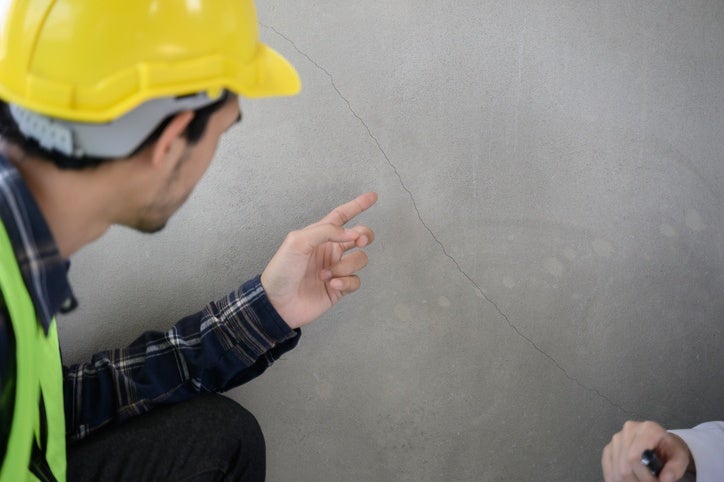
Why Do Concrete Cracks Happen?
Before diving into the weather, it helps to understand the basics of concrete behavior. Concrete is strong under compression (being pushed down), but it is relatively weak under tension (being pulled apart).
Cracks generally happen when the internal forces within the concrete slab exceed its strength. This can occur for several reasons:
- Plastic Shrinkage: When water evaporates too quickly from the mix while it is curing.
- Settlement: If the soil beneath the slab shifts or sinks, the concrete loses support and snaps.
- Overloading: Parking extremely heavy machinery on a residential driveway.
- Premature Drying: If the concrete dries too fast, it creates crazing (fine surface cracks).
While these are common issues, external environmental factors often accelerate or trigger these problems.
How Weather Affects Concrete: The Science Behind Cracks
Think of concrete less like a rock and more like a sponge that reacts to its environment, especially to temperature and moisture.
Thermal Expansion and Contraction
Georgia’s temperature swings cause concrete to expand with heat and contract with cold. This constant movement creates stress. Without proper expansion joints to allow for this movement, the slab will crack to relieve the pressure.
The Freeze-Thaw Cycle
When water seeps into concrete pores and freezes, it expands by about 9%, creating immense internal pressure. As the ice thaws, water moves deeper into the newly formed micro-cracks. Repeating this cycle eventually causes the surface to spall or crack.
Moisture Fluctuations
The clay-heavy soil common in our area shrinks during dry spells and swells during heavy rains. This movement shifts the concrete slab above it, leading to structural cracks.
Common Types of Weather‑Induced Concrete Cracks
Not all cracks are the same. Identifying the type of damage can help you determine if you need a simple seal or professional concrete leveling and concrete driveway crack repair.
- Heaving Cracks: caused by the ground freezing and pushing the slab upward. When the ground thaws, the slab may not settle back evenly.
- Settlement Cracks: Occur when rain washes away the subgrade or drought causes soil shrinkage, leaving a void under the slab.
- Crazing: A network of fine surface cracks that looks like a spiderweb. This is often caused by hot, windy weather that dries the surface too quickly during the initial pour.
- Spalling: This is when the surface peels or flakes off, typically due to freeze-thaw cycles or deicing salts used during winter storms.
How to Prevent Concrete from Cracking
While you can’t control the weather in Georgia, you can control how your concrete is prepared and maintained. If you are a general contractor or a homeowner planning a new pour, knowing how to prevent concrete from cracking is essential.
Proper Mix and Curing
Ensure the water-to-cement ratio is correct. Too much water weakens the concrete. Furthermore, proper curing (keeping the concrete moist while it hardens) is vital, especially on hot days.
Use Control Joints
Control joints are planned cuts in the slab. They essentially tell the concrete, “If you’re going to crack, do it here.” This keeps the crack straight and hidden rather than jagged and visible.
Concrete Additives to Prevent Cracking
Modern technology has given us chemical and mineral admixtures that improve performance. Asking your supplier about concrete additives to prevent cracking can save you headaches later. These additives can reduce water requirements, slow down curing times in heat, or add fibers that reinforce the internal structure of the slab.
Ensure Proper Drainage
Water is the enemy of a stable subgrade. Make sure your property is graded so that rainwater flows away from your driveway and foundation. This prevents soil erosion and settlement.
How to Fix Cracks in Concrete Caused by Weather
If you already have damage, don’t panic. You don’t necessarily need to rip out the slab and start over. In fact, at LiftItRite, we specialize in saving your existing concrete, which is better for your wallet and the environment.
Assessment
First, determine if the crack is structural or cosmetic. If the concrete has sunk or become uneven, simply filling the crack won’t work. It will just crack again because the support is gone. This is where our expertise comes in.
The LiftItRite Solution
We use a state-of-the-art polyurethane foam injection process. It is non-invasive and incredibly effective. We drill penny-sized holes into the affected area and inject our eco-friendly material. This material expands to fill the voids underneath the slab, lifting it back to its original position.
- Eco-Friendly: Our material is safe for federal fish and wildlife areas, perfect for environmentally conscious HOAs and municipalities.
- Fast: The surface is ready to use within 15 minutes.
- Durable: Thcce material lasts 50-100 years.
Sealing the Crack
Once the slab is stabilized and level, you must seal cracks in concrete to prevent water from entering again. A high-quality flexible sealant allows for minor movement without breaking the seal.
Maintenance Tips to Keep Concrete Crack‑Free All Year
Whether you manage a commercial property or own a home, consistent maintenance extends the life of your concrete.
- Clean Regularly: Remove debris and wash your concrete to prevent moss and algae growth, which can hold moisture against the surface.
- Seal Your Concrete: Applying a penetrating sealer every few years helps block moisture absorption. This is a critical step in concrete driveway crack repair maintenance.
- Manage Water Runoff: Check your gutters and downspouts. Ensure they aren’t dumping water directly onto your driveway or walkways.
- Avoid Harsh Chemicals: In winter, avoid rock salt on fresh concrete. Use sand for traction instead to prevent chemical attacks on the surface.
Protect Your Investment
Your concrete surfaces are a significant part of your property’s value. Letting weather-induced cracks spread can lead to tripping hazards, vehicle damage, and unsightly curb appeal.
At LiftItRite, we believe in fixing it right the first time. We are a family-owned and operated business passionate about helping our neighbors in Loganville, Gainesville, and the surrounding areas. Contact LiftItRite today for a free estimate. Let our experts stabilize your concrete and give you peace of mind that lasts for decades.